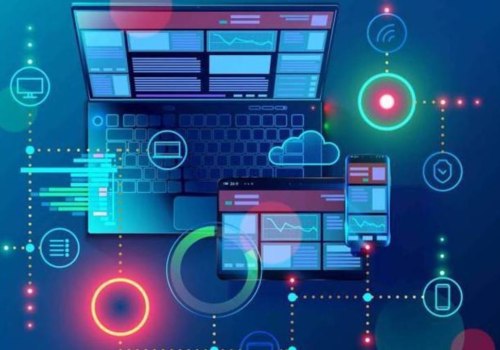
In today’s digital age, web designweb design has emerged as a critical component of any successful online presence. It encompasses a wide range of disciplines and skills, including graphic design, user interface (UI) design, user experience (UX) design, and even coding. At its core, web design is about creating websites that are not only visually appealing but also functional and user-friendly. This multifaceted field plays a pivotal role in how businesses communicate with their audience, making it essential for companies to invest in effective web design strategies.The significance of web design extends beyond aesthetics; it directly impacts user engagement and conversion rates.
A well-designed website can captivate visitors, encouraging them to explore further and ultimately take action, whether that means making a purchase, signing up for a newsletter, or simply learning more about a brand. Conversely, poor web design can lead to high bounce rates and lost opportunities. Therefore, understanding the principles of web design is crucial for anyone looking to establish a strong online presence.Moreover, as technology continues to evolve, so too does the landscape of web design. New tools and frameworks emerge regularly, offering designers innovative ways to enhance functionality and improve user experience.
This constant evolution presents both challenges and rewards for professionals in the field. As we delve deeper into the intricacies of web design throughout this article, we will explore not only the fundamental concepts but also the various challenges designers face and the rewards that come from overcoming them.
The Evolving Landscape of Web Design
The field of web design has undergone significant transformations over the years, driven by technological advancements, changing user expectations, and evolving design philosophies. Understanding these changes is crucial for anyone looking to navigate the current landscape of web design effectively.In the early days of the internet, web design was primarily focused on functionality rather than aesthetics. Websites were often text-heavy, with minimal graphics and a basic layout.As technology progressed, the introduction of CSS (Cascading Style Sheets) allowed designers to separate content from presentation, leading to more visually appealing and organized websites.One of the most notable trends in recent years is the shift towards responsive design. With the proliferation of mobile devices, it became essential for websites to adapt seamlessly to various screen sizes. This trend not only improved user experience but also influenced search engine optimization (SEO) practices, as search engines began prioritizing mobile-friendly sites in their rankings.Another significant evolution in web design is the rise of minimalism. Clean lines, ample white space, and a focus on essential content have become hallmarks of modern web design.
This approach not only enhances usability but also aligns with users' preferences for straightforward navigation and quick access to information.As we look to the future, several emerging technologies are poised to further shape the landscape of web design:
- Artificial Intelligence (AI): AI tools are increasingly being integrated into web design processes, enabling designers to automate repetitive tasks and gain insights into user behavior.
- Voice User Interface (VUI): With the rise of voice-activated devices, designing for voice interactions is becoming a critical aspect of web design.
- Augmented Reality (AR) and Virtual Reality (VR): These technologies are opening new avenues for immersive web experiences, allowing users to interact with content in innovative ways.
Key Challenges in Web Design
Web design is a multifaceted discipline that presents a variety of challenges for professionals in the field. Understanding these challenges is crucial for both aspiring designers and seasoned veterans. Here are some of the key difficulties faced in web design:- Technical Issues: One of the most significant challenges in web design is dealing with technical problems.
This can range from browser compatibility issues to responsive design challenges. Designers must ensure that their websites function seamlessly across different devices and browsers, which often requires extensive testing and troubleshooting.
- Client Expectations: Managing client expectations can be a daunting task. Clients often have specific visions for their websites, which may not align with best practices or current trends. Effective communication is essential to bridge this gap, ensuring that clients understand the limitations and possibilities of web design.
- Staying Updated with Trends: The digital landscape is constantly evolving, and web designers must stay abreast of the latest trends and technologies.
This includes understanding new design frameworks, coding languages, and user experience principles. Failing to keep up can result in outdated designs that do not meet user needs.
- User Experience (UX) Challenges: Creating an intuitive user experience is paramount in web design. Designers must consider how users interact with their sites, which involves extensive research and testing. Balancing aesthetics with functionality can be particularly challenging, as what looks good may not always be user-friendly.
- SEO Considerations: Integrating SEO best practices into web design is another challenge.
Designers need to ensure that their sites are not only visually appealing but also optimized for search engines. This requires a solid understanding of how design elements impact SEO, such as site speed, mobile-friendliness, and content structure.
Technical Challenges: Navigating Complexity
In the realm of web design, technical challenges are an inevitable part of the journey. As designers and developers strive to create visually appealing and functional websites, they often encounter a myriad of coding complexities that can hinder progress.Understanding these challenges is crucial for anyone looking to excel in this dynamic field.One of the primary technical hurdles in web design is the intricacy of coding itself. With various programming languages and frameworks available, designers must choose the right tools for their projects. For instance, while HTML and CSS form the backbone of web design, incorporating JavaScript can add interactivity but also introduces additional layers of complexity. Debugging code can be time-consuming, especially when dealing with cross-browser compatibility issues.
A feature that works seamlessly in one browser may not function correctly in another, necessitating extensive testing and adjustments.Another significant challenge is ensuring responsive design. In today's digital landscape, users access websites from a multitude of devices, including smartphones, tablets, and desktops. A website must adapt to different screen sizes and resolutions to provide an optimal user experience. This requires designers to implement flexible layouts and media queries effectively.
However, achieving true responsiveness can be tricky; elements may overlap or misalign on certain devices if not coded properly. Designers must continually test their sites on various platforms to ensure consistency.Moreover, as web technologies evolve, keeping up with the latest standards and best practices becomes increasingly challenging. New frameworks and libraries emerge regularly, each promising to simplify the development process or enhance performance. While these tools can be beneficial, they also require designers to invest time in learning and adapting their skills.
The rapid pace of change can lead to a steep learning curve, particularly for those new to the field.Lastly, compatibility across different operating systems adds another layer of complexity. A website may perform flawlessly on Windows but encounter issues on macOS or Linux systems. This inconsistency can stem from differences in how browsers interpret code or how operating systems handle fonts and graphics. To mitigate these issues, designers must conduct thorough testing across multiple environments.In conclusion, navigating the technical challenges of web design requires a blend of creativity, problem-solving skills, and a commitment to continuous learning.
By understanding coding complexities, mastering responsive design techniques, and ensuring compatibility across devices, designers can create websites that not only meet client expectations but also provide an exceptional user experience.
Client Expectations and Communication Barriers
In the realm of web design, effective communication with clients is paramount. The relationship between a designer and their client can significantly influence the success of a project. Misunderstandings or misaligned expectations can lead to frustration on both sides, ultimately affecting the quality of the final product.One of the first steps in establishing a productive client-designer relationship is to set clear expectations from the outset. This involves discussing project goals, timelines, and budget constraints.By openly addressing these factors, designers can help clients understand what is feasible within their parameters. It’s essential to communicate that while creativity and innovation are vital, they must also align with practical considerations.
Managing Client Expectations
Managing client expectations is an ongoing process throughout the design journey. Regular updates and check-ins can help keep clients informed about progress and any potential challenges that may arise. This transparency fosters trust and allows for adjustments to be made before issues escalate.- Establishing Milestones: Break the project into manageable phases with specific milestones.
This approach not only helps in tracking progress but also gives clients a sense of accomplishment as they see their vision taking shape.
- Encouraging Feedback: Create an environment where clients feel comfortable providing feedback. This two-way communication can lead to valuable insights that enhance the design process.
- Educating Clients: Many clients may not fully understand the complexities involved in web design. Taking the time to educate them about design principles, technical limitations, and industry standards can bridge knowledge gaps and lead to more informed decision-making.
Instead, strive for clarity by using straightforward language and visual aids when necessary.Ultimately, a successful client-designer relationship hinges on mutual respect and understanding. By prioritizing effective communication and managing expectations throughout the design process, designers can not only enhance client satisfaction but also elevate the overall quality of their work.
Staying Current: The Need for Continuous Learning
In the fast-paced world of web design, staying current is not just beneficial; it is essential. The digital landscape is in a constant state of flux, with new technologies, design trends, and user expectations emerging regularly. For web designers, this means that continuous learning is a fundamental aspect of their professional journey.One of the primary reasons for this need for ongoing education is the rapid evolution of technology.Frameworks and tools that were once industry standards can quickly become obsolete. For instance, the rise of responsive design has transformed how websites are built, requiring designers to adapt their skills to create sites that function seamlessly across various devices. Similarly, advancements in coding languages and design software necessitate that designers stay informed about the latest updates and best practices.Moreover, understanding current trends in web design is crucial for creating visually appealing and user-friendly websites. Trends such as minimalism, dark mode, and micro-interactions can significantly impact user engagement and satisfaction.
Designers who fail to keep up with these trends risk producing outdated work that does not resonate with modern audiences.To facilitate continuous learning, web designers can take advantage of various resources:
- Online Courses: Platforms like Coursera, Udemy, and LinkedIn Learning offer courses on the latest web design techniques and tools.
- Webinars and Workshops: Participating in live sessions can provide insights from industry experts and allow for real-time interaction.
- Networking Events: Conferences and meetups are excellent opportunities to learn from peers and share knowledge about emerging trends.
- Professional Communities: Joining forums or social media groups dedicated to web design can help designers stay informed about industry news and best practices.
Career Opportunities and Growth Potential
The field of web design offers a plethora of career opportunities that cater to various interests and skill sets.As businesses increasingly recognize the importance of a strong online presence, the demand for skilled web designers continues to grow. This section explores the diverse career paths available within web design and highlights the potential for professional growth.One of the most common career paths in web design is that of a web designer. These professionals are responsible for creating visually appealing and user-friendly websites. They often work closely with clients to understand their needs and translate those requirements into functional designs.
Web designers may specialize in areas such as:
- User Interface (UI) Design: Focusing on the layout and interactive elements of a website.
- User Experience (UX) Design: Concentrating on optimizing the overall experience for users, ensuring ease of navigation and satisfaction.
- Responsive Design: Creating websites that function seamlessly across various devices, from desktops to smartphones.
As these technologies evolve, web designers will need to adapt and learn new skills to stay relevant in the industry. Continuous education through workshops, online courses, or certifications can significantly enhance career prospects.In conclusion, the landscape of web design is rich with opportunities for growth and specialization. Whether one chooses to focus on design, development, or management, there is ample room for advancement in this dynamic field. By staying updated on industry trends and continuously honing their skills, aspiring web designers can carve out successful careers that not only meet their professional aspirations but also contribute meaningfully to the digital world.
<strong>Conclusion</strong>: Balancing Challenges and Rewards in Web Design
In the dynamic realm of web design, professionals often find themselves navigating a landscape filled with both challenges and rewards.As we conclude our exploration of this multifaceted field, it’s essential to reflect on how these elements intertwine to shape the experiences of designers and developers alike.One of the most significant challenges in web design is keeping pace with rapid technological advancements. The digital landscape is in a constant state of flux, with new tools, frameworks, and best practices emerging regularly. This necessitates a commitment to continuous learning and adaptation. Designers must not only master current technologies but also anticipate future trends to remain competitive.
This can be daunting, especially for those new to the field.Moreover, the pressure to meet client expectations can be overwhelming. Clients often have specific visions for their websites, which may not always align with best practices or user experience principles. Balancing these expectations while advocating for effective design solutions requires strong communication skills and a deep understanding of both design and business objectives.However, the rewards of overcoming these challenges are substantial. Successfully creating a website that meets user needs while satisfying client demands can lead to immense professional satisfaction.
Each project completed is not just a portfolio piece; it’s an opportunity to refine skills and expand one’s creative horizons.Additionally, the sense of accomplishment that comes from solving complex problems in web design is unparalleled. Whether it’s optimizing a site for better performance or crafting an intuitive user interface, each challenge surmounted enhances a designer's expertise and confidence.Furthermore, the demand for skilled web designers continues to grow as businesses increasingly recognize the importance of a strong online presence. This translates into numerous career opportunities and the potential for lucrative earnings. For many, the journey through the challenges of web design ultimately leads to rewarding career paths filled with creativity and innovation.In summary, while the path of a web designer is fraught with challenges—from technological changes to client management—the rewards are equally significant.
Embracing these challenges not only fosters personal growth but also contributes to the evolution of the web design industry as a whole.