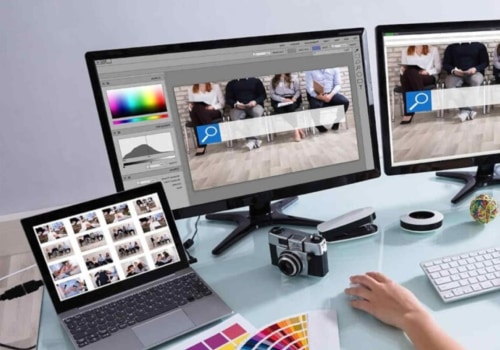
The landscape of web designweb design in the UK is as dynamic as the digital world itself, with salaries reflecting a myriad of factors that influence earnings in this creative and technical field. As businesses increasingly recognize the importance of a strong online presence, the demand for skilled web designers continues to grow. This surge in demand not only impacts job availability but also plays a significant role in shaping salary expectations across various levels of experience and specialization.Understanding web designer earnings requires a closer look at the diverse roles within the industry. From junior designers just starting their careers to seasoned professionals leading complex projects, each position comes with its own set of responsibilities and corresponding salary ranges.
Factors such as geographic location, industry sector, and individual skill sets can greatly influence how much a web designer can earn. For instance, designers working in major cities like London may command higher salaries compared to those in smaller towns, reflecting the cost of living and competitive market conditions.Moreover, the evolution of technology and design trends continually reshapes the skills required in this field. As new tools and methodologies emerge, web designers must adapt to stay relevant, which can also affect their earning potential. Specializations such as user experience (UX) design or front-end development are becoming increasingly valuable, often leading to higher salaries for those who invest in expanding their skill sets.
In this article, we will explore these factors in detail, providing insights into the current state of web design salaries in the UK, career opportunities available, and how aspiring designers can position themselves for success in this competitive industry.
What Does a Web Designer Do?
A web designer plays a crucial role in the creation and maintenance of websites, blending creativity with technical skills to deliver visually appealing and functional online experiences. The responsibilities of a web designer can vary significantly based on the specific role they occupy within the industry, but there are several core duties that are generally expected across the board.- Designing Website Layouts: One of the primary responsibilities of a web designer is to create the layout and visual elements of a website. This includes determining how content is organized, selecting color schemes, and choosing typography that aligns with the brand's identity.
- Creating User Interfaces: Web designers are tasked with designing user interfaces (UI) that facilitate easy navigation and enhance user experience (UX). This involves creating buttons, menus, and other interactive elements that guide users through the site.
- Responsive Design: With the increasing use of mobile devices, web designers must ensure that websites are responsive.
This means designing sites that look and function well on various screen sizes, from desktops to smartphones.
- Collaborating with Developers: While web designers focus on aesthetics and user experience, they often work closely with web developers who handle the technical implementation. Effective communication between these roles is essential for translating design concepts into functional websites.
- Conducting User Research: Understanding the target audience is vital for effective web design. Designers often conduct user research to gather insights about user preferences and behaviors, which inform their design choices.
- Testing and Iteration: After a website is launched, web designers may be involved in testing its performance and usability. Gathering feedback from users allows them to make necessary adjustments to improve functionality and aesthetics.
- Proficiency in Design Software: Familiarity with tools such as Adobe Creative Suite (Photoshop, Illustrator) or Sketch is essential for creating high-quality designs. Familiarity with tools such as Adobe Creative Suite (Photoshop, Illustrator) or Sketch is essential for creating high-quality designs.
- Understanding of HTML/CSS: While not always required, knowledge of HTML and CSS can greatly enhance a designer's ability to communicate effectively with developers and understand how their designs will be implemented.
- Attention to Detail: A keen eye for detail ensures that every element on a webpage is aligned correctly and contributes to a cohesive overall design.
- Problem-Solving Skills: Web designers often face challenges during the design process, requiring them to think critically and find creative solutions.
Understanding these responsibilities and skills not only provides insight into what it takes to succeed in this field but also helps contextualize salary discussions by highlighting the value that skilled web designers bring to organizations.
Average Salary Ranges for Web Designers in the UK
Understanding the average salaryaverage salary for web designers in the UK is crucial for anyone considering a career in this dynamic field. Salaries can vary significantly based on experience, location, and the specific skills a designer possesses. Below, we break down the average salary ranges for web designers at different stages of their careers.Entry-Level Web Designer Salaries
For those just starting out in web design, the entry-level positions typically offer salaries ranging from £18,000 to £25,000 per year. This range reflects the varying demands of different employers and the specific skills required for the role.Entry-level designers often work under the guidance of more experienced professionals, allowing them to develop their skills while contributing to real projects.
Mid-Level Web Designer Salaries
As web designers gain experience and build their portfolios, they can expect to see their salaries increase significantly. Mid-level web designers usually earn between £25,000 and £40,000 annually. At this stage, designers are often expected to take on more responsibilities, such as leading projects or collaborating closely with clients to understand their needs.Senior Web Designer Salaries
Senior web designers, who have several years of experience and a robust portfolio, can command salaries ranging from £40,000 to £60,000 or more. These professionals are typically responsible for overseeing design teams, making strategic decisions about design direction, and ensuring that projects meet both client expectations and industry standards.Factors Influencing Salary
The salary of a web designer can be influenced by several factors:- Location: Designers in major cities like London often earn higher salaries compared to those in smaller towns due to the higher cost of living.
- Specialization: Designers who specialize in areas such as UX/UI design or e-commerce may command higher salaries due to the demand for these skills.
- Industry: Certain industries may pay more for web design services, particularly tech companies or large corporations.
- Freelance vs.
Full-Time:
Freelance web designers can set their rates based on project complexity and client budgets, which can lead to higher earnings compared to salaried positions.
Factors Influencing Web Designer Salaries
When it comes to determining the salary of a web designer in the UK, several key factors come into play. Understanding these elements can provide valuable insights for both aspiring designers and those already in the field looking to negotiate their pay.Experience Level
One of the most significant factors influencing a web designer's salary is their level of experience. Generally, the more experience a designer has, the higher their earning potential.Entry-level positions, such as junior web designers, typically start with salaries around £20,000 per year. As designers gain experience and develop their skills, they can expect their salaries to increase substantially.
- Mid-Level Designers: With three to five years of experience, web designers can earn between £25,000 and £35,000 annually.
- Senior Designers: Those with over five years of experience often command salaries ranging from £40,000 to £60,000 or more, especially if they have specialized skills or leadership roles.
Geographic Location
The location where a web designer works also plays a crucial role in determining salary. Major cities like London typically offer higher salaries due to the increased cost of living and greater demand for skilled professionals. For instance:- London: Average salaries for web designers can reach up to £45,000 or more.
- Regional Variations: In contrast, designers in smaller cities or rural areas may see average salaries closer to £30,000.
Industry Specialization
The industry in which a web designer is employed can also significantly impact their salary.Certain sectors tend to pay more due to the complexity and demands of their projects. For example:
- Tech Companies: Designers working for technology firms often earn higher wages due to the technical expertise required.
- E-commerce: Web designers specializing in e-commerce platforms may also see increased pay as businesses invest heavily in online sales.
Company Size
The size of the company can further influence salary levels. Larger organizations often have bigger budgets and may offer higher salaries along with more comprehensive benefits packages. Conversely, smaller companies or startups might offer lower base salaries but could provide other perks such as flexible working conditions or equity options.In summary, understanding these factors—experience level, geographic location, industry specialization, and company size—can help web designers navigate their career paths and make informed decisions regarding salary expectations.Common Job Titles and Their Salaries in Web Design
Understanding the various job titles within the web design industry is crucial for anyone looking to navigate their career path effectively.Each role comes with its own set of responsibilities and corresponding salary expectations. Below, we explore some of the most common job titles in web design along with their average salaries in the UK.
- Junior Web Designer : Typically, entry-level positions such as junior web designers earn around £20,000 per year. These roles often involve assisting senior designers and learning the ropes of web design through hands-on experience.
- Web Designer : As designers gain experience, they can expect to earn between £23,000 and £30,000. This role usually requires a solid understanding of design principles and proficiency in tools like Adobe Creative Suite.
- Senior Web Designer : With several years of experience, senior web designers can command salaries ranging from £35,000 to £45,000.
They are responsible for leading projects and mentoring junior staff while ensuring high-quality design standards.
- User Interface (UI) DesignerUser Interface (UI) Designer : UI designers focus on the look and feel of a website or application. Their average salary is around £30,000 to £50,000, depending on their expertise and the complexity of the projects they handle.
- User Experience (UX) Designer : UX designers prioritize user satisfaction and usability. Their salaries typically range from £35,000 to £55,000, reflecting their critical role in enhancing user interactions with digital products.
- Web Developer : While not strictly a design role, web developers often work closely with designers. Their salaries can vary widely from £25,000 to over £60,000, depending on their technical skills and experience level.
- Creative Director : At the top of the hierarchy, creative directors oversee entire design teams and projects.
They can earn between £50,000 and £80,000, depending on the size of the company and their level of responsibility.
Benefits and Perks of Being a Web Designer
Working as a web designer comes with a variety of benefits and perks that can significantly enhance both your professional and personal life. Understanding these advantages can help you appreciate the value of a career in web design.Flexible Working Hours
One of the most appealing aspects of being a web designer is the flexibility in working hours. Many companies offer flexible schedules, allowing designers to choose when they work.
This flexibility can be particularly beneficial for those who have other commitments, such as family or education. It enables you to work during your most productive hours, whether that’s early in the morning or late at night.
Remote Work Opportunities
The rise of digital technology has made remote work increasingly common in the web design industry. Many employers are open to hiring remote designers, which means you can work from anywhere—be it your home, a coffee shop, or even while traveling. This not only saves commuting time but also allows for a more comfortable and personalized work environment.
Professional Development
Web design is an ever-evolving field, and many companies recognize the importance of keeping their employees updated with the latest trends and technologies.
As a result, many organizations offer professional development opportunities, such as workshops, online courses, and conferences. These resources not only enhance your skills but also make you more valuable in the job market.
Creative Freedom
Web designers often enjoy a high degree of creative freedom. Unlike more traditional roles, web design allows you to express your artistic vision while solving problems through design. This creative aspect can lead to greater job satisfaction and a sense of accomplishment when you see your designs come to life.
Work-Life BalanceWork-Life Balance
The combination of flexible hours and remote work options contributes significantly to achieving a healthy work-life balance.
Designers can manage their time effectively, allowing them to pursue personal interests or spend quality time with family and friends without compromising their professional responsibilities.
Health and Wellness Benefits
Many companies also offer health and wellness benefits as part of their employment packages. This may include gym memberships, mental health resources, or wellness programs aimed at promoting a healthy lifestyle. Such benefits are crucial for maintaining both physical and mental well-being, especially in a field that often requires long hours in front of a computer screen.In summary, the benefits and perks associated with web design jobs extend beyond just salary considerations. From flexible working conditions to opportunities for professional growth, these advantages make web design an attractive career choice for many individuals seeking both fulfillment and stability in their professional lives.
Career Progression and Opportunities in Web Design
As the digital landscape continues to evolve, the career progression for web designers is becoming increasingly dynamic and multifaceted.With the right skills and a proactive approach, web designers can explore various pathways that not only enhance their expertise but also significantly increase their earning potential.One of the most common routes for advancement in web design is through specialization. Designers can choose to focus on specific areas such as:
- User Experience (UX) Design: This specialization emphasizes understanding user behavior and creating intuitive interfaces that enhance user satisfaction.
- User Interface (UI) Design: UI designers concentrate on the visual aspects of a website, ensuring that it is aesthetically pleasing and aligns with branding guidelines.
- Front-End Development: By acquiring coding skills in HTML, CSS, and JavaScript, web designers can transition into front-end development roles, allowing them to implement their designs directly.
- E-commerce Design: With the rise of online shopping, specializing in e-commerce platforms can open doors to lucrative opportunities in designing user-friendly shopping experiences.
- Taking Online Courses: Platforms like Coursera and Udemy offer courses on the latest design tools and trends, helping designers stay competitive.
- Networking: Joining professional organizations or attending industry conferences can provide valuable connections and insights into emerging trends.
- Building a Strong Portfolio: A well-curated portfolio showcasing diverse projects can attract potential employers and clients.
By embracing new technologies such as artificial intelligence and augmented reality, designers can further enhance their skill sets and remain at the forefront of this ever-evolving field.Ultimately, the key to successful career progression in web design lies in a combination of specialization, continuous learning, and adaptability. By actively seeking out opportunities for growth and staying informed about industry trends, web designers can carve out fulfilling careers that not only meet their professional aspirations but also contribute significantly to the digital world.
How to Increase Your Earning Potential as a Web Designer
To maximize your earning potential as a web designer, it’s essential to focus on continuous improvement and skill enhancement. The web design landscape is ever-evolving, and staying ahead of the curve can significantly impact your salary. Here are several actionable strategies to help you increase your income in this competitive field.1.Specialize in In-Demand Skills
One of the most effective ways to boost your salary is by specializing in high-demand areas within web design.Consider focusing on:
- User Experience (UX) Design: Understanding user behavior and creating intuitive interfaces can set you apart.
- Responsive Design: With the rise of mobile browsing, expertise in creating responsive websites is crucial.
- E-commerce Platforms: Specializing in platforms like Shopify or WooCommerce can open doors to lucrative projects.
2.Pursue Professional Development
Investing in your education is vital for career advancement. Here are some avenues to consider:- Online Courses: Platforms like Coursera, Udemy, and LinkedIn Learning offer courses on the latest web design trends and technologies.
- Certifications: Obtaining certifications in tools like Adobe Creative Suite or Google Analytics can enhance your credibility.
- Workshops and Conferences: Attending industry events allows you to network with professionals and learn from experts.
3.Build a Strong Portfolio
Your portfolio is often the first impression potential clients or employers have of you. Ensure it showcases:- Diverse Projects: Include a variety of work that demonstrates your range and adaptability.
- User-Centric Designs: Highlight projects that emphasize usability and user experience.
- Case Studies: Provide insights into your design process, challenges faced, and how you solved them.
4.Network Effectively
Building relationships within the industry can lead to new opportunities. Consider these networking strategies:- Join Online Communities: Participate in forums and social media groups focused on web design.
- Attend Local Meetups: Engage with local designers and potential clients through meetups or workshops.
- Create a Personal Brand: Establish a strong online presence through blogging or sharing your work on platforms like Behance or Dribbble.
Remember, the key to increasing your earning potential lies in continuous learning, specialization, and effective networking.
<strong>FAQs about Web Designer Salaries</strong>
When considering a career in web design, many aspiring professionals have questions about salaries, negotiation tactics, and the differences between freelance and employed positions. Here are some of the most frequently asked questions regarding web designer salaries in the UK.What is the average salary for a web designer in the UK?
The average salary for a web designer in the UK typically ranges from £23,000 to £38,000 per year, depending on experience and skill level. Entry-level positions may start around £20,000, while seasoned professionals can earn upwards of £50,000 or more, especially if they specialize in high-demand areas such as UX design or e-commerce.How can I negotiate my salary as a web designer?
Negotiating your salary can be daunting, but it’s an essential skill for maximizing your earnings. Here are some tips:- Research: Before entering negotiations, research industry standards for your role and experience level.
Websites like Glassdoor and Payscale can provide valuable insights.
- Know Your Worth: Assess your skills, experience, and any unique qualifications you bring to the table. Be prepared to articulate how these factors contribute to your value as an employee.
- Practice: Role-play negotiation scenarios with a friend or mentor to build confidence. This practice can help you articulate your points clearly during actual discussions.
- Be Flexible: Consider other forms of compensation beyond salary, such as bonuses, additional vacation days, or professional development opportunities.
What are the pros and cons of freelance vs. employed web design?
The choice between freelancing and traditional employment in web design comes with its own set of advantages and disadvantages:- Freelance Web Designers:
- Pros: Flexibility in choosing projects and working hours; potential for higher earnings; ability to work from anywhere.
- Cons: Income instability; lack of employee benefits such as health insurance and retirement plans; responsibility for finding clients.
- Employed Web Designers:
- Pros: Steady income; access to benefits like health insurance; opportunities for professional growth within a company.
- Cons: Less flexibility in work hours; potential limitations on project variety; may require commuting.
Understanding these factors can help you make an informed decision about your career path in web design.
<strong>Conclusion: Key Takeaways on Web Designer Salaries</strong>
As we conclude our exploration of web designer salaries in the UK, it’s essential to distill the key insights that have emerged throughout this discussion. Understanding the financial landscape of this profession is crucial for anyone considering a career in web design.First and foremost, the average salary for web designers in the UK typically ranges from £23,000 to £38,000 annually. This range reflects various experience levels, from entry-level positions to seasoned professionals. For those just starting their careers, a junior web designer can expect to earn around £20,000 , while more experienced designers can command significantly higher salaries based on their skills and portfolio.Moreover, several factors influence these salary figures:- Experience Level: As with many professions, experience plays a pivotal role in determining salary.
Designers with several years of experience or specialized skills often see higher compensation.
- Location: Salaries can vary significantly depending on geographic location within the UK. Major cities like London typically offer higher salaries due to the cost of living and demand for skilled professionals.
- Specialization: Web designers who specialize in areas such as UX/UI design or e-commerce may find themselves earning more due to the specific skill sets required.
- Industry: The sector in which a web designer works can also impact earnings. For instance, tech companies may offer more competitive salaries compared to non-profit organizations.
This dynamic environment not only keeps the work engaging but also allows designers to expand their skill sets through ongoing education and training.Ultimately, if you are passionate about creativity and technology, a career in web design can be both fulfilling and financially rewarding. By staying informed about industry trends and continuously honing your skills, you can position yourself for success in this exciting field.In summary, understanding the nuances of web designer salaries in the UK is vital for aspiring professionals. With a clear grasp of potential earnings and career pathways, you can make informed decisions as you embark on your journey in web design.