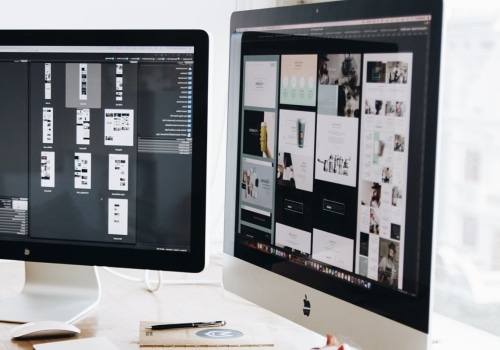
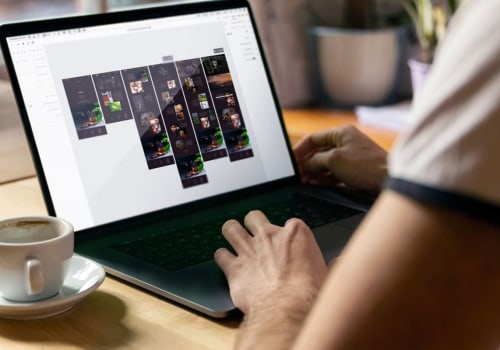
In today’s digital age, web designweb design plays a crucial role in shaping how users interact with online content. At its core, web design encompasses the planning and creation of websites, focusing on aesthetics, functionality, and user experience. It is not merely about making a site look appealing; it involves a deep understanding of how users navigate and engage with digital platforms. As businesses increasingly shift their operations online, the importance of effective web design cannot be overstated.
A well-designed website can significantly enhance brand credibility, improve user retention, and ultimately drive conversions.Understanding the fundamentals of web design is essential for anyone looking to establish a presence on the internet. This includes grasping key concepts such as layout, color theory, typography, and responsive design. Each element contributes to the overall user experience and can influence how visitors perceive a brand. For instance, a cluttered layout may overwhelm users, while a clean and organized design can facilitate easier navigation.
Moreover, with the rise of mobile browsing, ensuring that websites are responsive—meaning they adapt seamlessly to different screen sizes—is more important than ever.Furthermore, web design is not static; it evolves alongside technological advancements and changing user preferences. As new tools and frameworks emerge, designers must stay informed about the latest trends and best practices. This ongoing learning process is vital for creating websites that not only meet current standards but also anticipate future needs. By mastering the basics of web design and understanding its significance in the digital landscape, aspiring designers can position themselves for success in this dynamic field.
The Skills Required for Web Design
To thrive in the world of web design, a diverse set of skills is essential.These skills can be broadly categorized into technical abilities and soft skills, both of which play a crucial role in creating effective and engaging websites.
Technical Skills
At the core of web design are several technical skills that every designer should master:- HTML (HyperText Markup Language) : This foundational language is used to structure content on the web. Understanding HTML allows designers to create headings, paragraphs, links, and other essential elements that form the backbone of any website.
- CSS (Cascading Style Sheets) : CSS is vital for styling web pages. It controls layout, colors, fonts, and overall aesthetics. A solid grasp of CSS enables designers to transform a basic HTML structure into a visually appealing site.
- JavaScript : While not always mandatory for all web designers, knowledge of JavaScript can significantly enhance a designer's ability to create interactive elements.
This includes features like sliders, pop-ups, and dynamic content updates.
- Responsive Design : With the increasing use of mobile devices, understanding how to create responsive designs that adapt to various screen sizes is crucial. This skill ensures that websites provide a seamless experience across all devices.
- Basic SEO Knowledge : Understanding the principles of search engine optimization helps designers create sites that are not only visually appealing but also optimized for search engines. This includes using proper tags, alt attributes for images, and structuring content effectively.
Soft Skills
In addition to technical expertise, soft skills are equally important in web design:- Creativity : A successful web designer must possess a strong creative vision. This involves not only aesthetic sensibility but also the ability to think outside the box when solving design challenges.
- Problem-Solving Skills : Web design often involves troubleshooting issues and finding innovative solutions.
Designers must be able to analyze problems critically and develop effective strategies to overcome them.
- Communication Skills : Effective communication is key when collaborating with clients or team members. Designers need to articulate their ideas clearly and understand client needs to deliver satisfactory results.
- Attention to Detail : Small details can make a significant difference in web design. A keen eye for detail ensures that every element is polished and contributes positively to the overall user experience.
Essential Tools for Web Designers
In the realm of web design, having the right tools at your disposal can significantly enhance your workflow and the quality of your output.Whether you are a seasoned professional or just starting out, understanding the various software options available is crucial for creating stunning and functional websites. Below, we explore some of the most essential tools that every web designer should consider.
- Sketch : This vector-based design tool is particularly popular among Mac users. Sketch excels in creating user interfaces and web layouts, offering a plethora of plugins that extend its functionality. Its intuitive interface allows designers to focus on creativity without getting bogged down by complex features.
- Adobe XDAdobe XD : As part of the Adobe Creative Cloud suite, Adobe XD is designed for wireframing, prototyping, and collaboration.
It allows designers to create interactive prototypes that can be shared with clients or team members for feedback. The integration with other Adobe products makes it a versatile choice for those already familiar with Adobe's ecosystem.
- Figma : Figma stands out as a cloud-based design tool that promotes real-time collaboration. This means multiple designers can work on a project simultaneously, making it ideal for teams. Figma's robust features include vector editing, prototyping, and design systems, which help maintain consistency across projects.
- InVision : Known for its prototyping capabilities, InVision allows designers to create interactive mockups that simulate user experiences.
It also offers tools for feedback and collaboration, making it easier to iterate on designs based on client input.
- Canva : While not exclusively a web design tool, Canva is invaluable for creating graphics and visual content that can be integrated into websites. Its user-friendly interface and extensive library of templates make it accessible for those who may not have advanced graphic design skills.
- Webflow : For designers looking to bridge the gap between design and development, Webflow offers a unique solution. It allows users to design responsive websites visually while generating clean HTML, CSS, and JavaScript code in the background. This is particularly beneficial for designers who want more control over the final product without needing extensive coding knowledge.
Experimenting with different software can help you find what works best for you, enhancing both your productivity and creativity in web design.
Learning Pathways: How to Start Learning Web Design
Embarking on the journey to learn web design can be both exciting and overwhelming. With a plethora of resources available, it’s essential to have a structured approach to guide you through the learning process. Here’s a roadmap to help you get started.1.Online Courses
- Coursera: Offers courses from top universities and companies, covering everything from the basics of HTML and CSS to advanced design principles.
- Udemy: Features a wide range of web design courses tailored for beginners, often at affordable prices. Look for highly-rated courses that include hands-on projects.
- Codecademy: An interactive platform that teaches coding through practical exercises.
Their web design track is perfect for beginners wanting to learn HTML, CSS, and JavaScript.
- freeCodeCamp: A nonprofit organization that provides free coding education. Their curriculum includes responsive web design and front-end libraries.
2.Books
- "Don't Make Me Think" by Steve Krug: A classic book on web usability that emphasizes the importance of user experience in web design.
- "HTML and CSS: Design and Build Websites" by Jon Duckett: A visually engaging book that simplifies complex concepts, making it ideal for beginners.
- "The Design of Everyday Things" by Don Norman: While not exclusively about web design, this book offers valuable insights into user-centered design principles.
3.Blogs and Online Communities
- A List Apart: A blog that explores the design, development, and meaning of web content, offering articles from industry experts.
- Smashing Magazine: Provides articles, tutorials, and resources on web design and development, focusing on practical advice.
- Designer Hangout: A Slack community where aspiring designers can connect with professionals, share resources, and seek feedback on their work.
4.Practice Projects
The best way to solidify your knowledge is through practice. Start by creating simple projects like personal portfolios or landing pages. As you gain confidence, challenge yourself with more complex designs.
Consider participating in online challenges or hackathons to further enhance your skills.By leveraging these resources and committing to continuous learning, you’ll be well on your way to mastering web design. Remember, the key is consistency and a willingness to adapt as the field evolves.
The Role of User Experience (UX) in Web Design
In the realm of web design, the significance of user experience (UX) cannot be overstated. UX design focuses on optimizing the interaction between users and websites, ensuring that visitors not only find what they are looking for but also enjoy the process of navigating through a site. A well-designed user experience can lead to increased engagement, higher conversion rates, and ultimately, greater customer satisfaction.Understanding the principles of UX design is essential for any web designer aiming to create effective and appealing websites.Here are some key aspects to consider:
- User-Centric Design: At the heart of UX is the user. Designers must prioritize the needs, preferences, and behaviors of their target audience. Conducting user research through surveys, interviews, and usability testing can provide valuable insights into what users expect from a website.
- Information Architecture: This involves organizing content in a way that makes it easy for users to find information. A clear hierarchy and intuitive navigation structure are crucial for guiding users through a site seamlessly.
- Visual Hierarchy: Effective use of visual elements such as size, color, and spacing can help direct users' attention to important content.
By establishing a clear visual hierarchy, designers can enhance usability and ensure that key messages stand out.
- Responsive Design: With the increasing use of mobile devices, it is vital for web designers to create responsive layouts that adapt to various screen sizes. A positive experience on all devices can significantly impact user retention.
- Accessibility: Ensuring that a website is accessible to all users, including those with disabilities, is not just a legal requirement but also a moral obligation. Implementing accessibility best practices can broaden your audience and improve overall user satisfaction.
Conversely, a well-structured site that prioritizes user experience fosters trust and encourages visitors to return.In conclusion, integrating UX principles into web design is essential for creating effective digital experiences. By focusing on the needs of users and employing best practices in design, web designers can significantly enhance their effectiveness and contribute to the success of their projects.
The Intersection of Web Design and SEO
In the realm of web design, understanding SEO (Search Engine Optimization) is not just an added bonus; it is a crucial component that can significantly enhance the effectiveness of a website. As designers, our primary goal is to create visually appealing and user-friendly sites, but without considering SEO, even the most beautifully designed website can fail to attract visitors. This intersection of web design and SEO is where the magic happens, allowing designers to create sites that are not only stunning but also optimized for search engines.One of the fundamental principles of SEO is ensuring that a website is structured in a way that search engines can easily crawl and index its content.This means that as web designers, we must pay attention to the following:
- Semantic HTML: Using proper HTML tags (like
<h1>,<h2>, and<p>) helps search engines understand the hierarchy and context of the content on a page. - Responsive Design: With the increasing use of mobile devices, having a responsive design is essential. Search engines prioritize mobile-friendly sites in their rankings, making it imperative for designers to ensure their websites look great on all devices.
- Page Load Speed: A well-designed website should load quickly. Slow-loading pages can lead to high bounce rates, negatively impacting SEO. Designers should optimize images and minimize code to enhance performance.
- Image Optimization: Images play a significant role in web design, but they can also slow down a site if not optimized correctly.
Using descriptive file names and alt text not only improves accessibility but also provides additional context for search engines.
Therefore, every web designer should strive to have at least a basic understanding of SEO principles to create websites that are not only visually appealing but also effective in reaching their target audience.
Common Challenges in Learning Web Design
Learning web design can be an exciting journey, but it is not without its challenges. Many aspiring designers encounter obstacles that can hinder their progress. Understanding these common challenges is the first step toward overcoming them and successfully mastering the art of web design.1.Technical Skills Gap
One of the most significant hurdles for beginners is the technical skills gap. Many learners feel overwhelmed by the need to grasp coding languages such as HTML, CSS, and JavaScript.
While these languages are essential for creating functional websites, they can seem daunting at first.
- Solution: Start with the basics. Numerous online platforms offer free or low-cost courses tailored for beginners. Websites like Codecademy, freeCodeCamp, and W3Schools provide interactive lessons that make learning coding more approachable.
2.Design Principles
Another challenge is understanding design principles. Web design is not just about making a site look good; it involves a deep understanding of layout, color theory, typography, and user experience (UX).
Many learners struggle to apply these principles effectively.
- Solution: Study existing websites and analyze their design choices. Take notes on what works and what doesn’t. Additionally, consider enrolling in design courses that focus on these principles to build a solid foundation.
3.Keeping Up with Trends
The web design landscape is constantly evolving, with new trends and technologies emerging regularly. This rapid pace can leave learners feeling lost or outdated.
- Solution: Follow industry blogs, podcasts, and social media accounts dedicated to web design.
Engaging with the community through forums or local meetups can also provide insights into current trends and best practices.
4.Time Management
Many aspiring web designers juggle learning with other responsibilities such as work or school. This can lead to frustration when progress feels slow.
- Solution: Set realistic goals and create a structured learning schedule. Dedicate specific time blocks each week to focus solely on web design education, ensuring consistent progress without overwhelming yourself.
5.Imposter Syndrome
Finally, many learners experience imposter syndrome, doubting their abilities and fearing they are not good enough to succeed in web design.
- Solution: Remember that everyone starts somewhere. Join online communities where you can share your work and receive constructive feedback.
Celebrating small victories can also help build confidence over time.
The Future of Web Design: Trends to Watch
As we look ahead to the future of web design, it is essential to recognize the trends and technologies that are poised to shape the industry. Staying informed about these developments not only enhances your skills but also positions you as a forward-thinking designer in a competitive landscape.1.Emphasis on User Experience (UX)
In 2023 and beyond, the focus on user experience will continue to dominate web design. Designers are increasingly prioritizing intuitive navigation, fast loading times, and mobile responsiveness. As users become more discerning, websites that offer seamless experiences will stand out.This trend emphasizes the importance of understanding user behavior and preferences, making UX research a critical component of the design process.
2.Dark Mode Design
Dark mode has gained significant traction in recent years, and its popularity is expected to grow. This design choice not only provides aesthetic appeal but also reduces eye strain for users. As more platforms and applications adopt dark mode, web designers will need to consider how to implement this feature effectively while maintaining brand identity and usability.3.Voice User Interface (VUI)
The rise of voice-activated devices has introduced a new dimension to web design. Integrating voice user interfaces into websites allows for hands-free navigation and enhances accessibility.Designers must think creatively about how to incorporate voice commands into their sites, ensuring that they complement traditional navigation methods.
4.AI-Powered Design Tools
Artificial intelligence is revolutionizing the way designers work. AI-powered tools can automate repetitive tasks, suggest design elements, and even analyze user data to inform design decisions. As these technologies evolve, they will enable designers to focus more on creativity and strategy rather than mundane tasks.5.Sustainability in Web Design
With growing awareness of environmental issues, sustainability is becoming a key consideration in web design. Designers are exploring ways to create energy-efficient websites that minimize their carbon footprint.This includes optimizing images, reducing server load, and choosing eco-friendly hosting solutions.
6.Micro-Interactions
Micro-interactions—small animations or design elements that respond to user actions—are gaining popularity as a way to enhance engagement. These subtle effects can provide feedback, guide users through processes, or simply add a touch of delight to the browsing experience.In conclusion, the future of web design is bright and full of exciting possibilities. By staying updated on these trends and embracing new technologies, aspiring designers can ensure they remain relevant in an ever-evolving field.Conclusion: Embracing the Journey of Learning Web Design
In conclusion, the journey of learning web design is not merely a destination but an ongoing adventure filled with opportunities for growth and creativity. As we have explored throughout this article, the landscape of web design is constantly evolving, driven by technological advancements and changing user expectations.This dynamic nature means that there is always something new to learn, whether it be the latest design trends, emerging tools, or best practices in user experience.One of the most important takeaways is that having a foundational understanding of coding languages such as HTML and CSS can significantly enhance your capabilities as a web designer. These skills not only empower you to create more functional websites but also allow you to communicate effectively with developers and other stakeholders in the design process.Moreover, embracing the principles of user experience (UX) design is crucial. A successful web designer must consider how users interact with their designs and strive to create intuitive, engaging experiences. This involves understanding the basics of SEO , digital marketing, and even social media strategies, as these elements play a vital role in how a website performs and is perceived by its audience.As you embark on or continue your journey in web design, remember that it is perfectly normal to encounter challenges along the way.
Each obstacle presents an opportunity to learn and refine your skills. Utilize the plethora of resources available—online courses, tutorials, forums, and communities—to stay informed and inspired.Ultimately, the key to success in web design lies in your passion for creativity and technology. By embracing this journey with an open mind and a willingness to adapt, you will not only enhance your skill set but also find immense satisfaction in creating beautiful and functional websites that resonate with users.So take a deep breath, dive into the world of web design, and enjoy every step of this exciting path!.