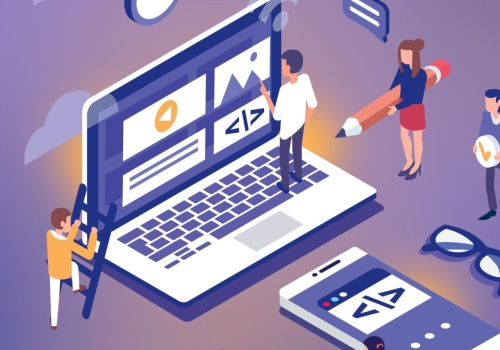
In the rapidly evolving digital landscape, web designweb design has emerged as a fundamental component of any successful online strategy. At its essence, web design encompasses the planning and creation of websites, focusing on aesthetics, functionality, and user experience. It is not merely about how a site looks; it is about how it works and how effectively it communicates with its audience. A well-crafted website serves as a virtual storefront, representing your brand and engaging visitors in a meaningful way.The importance of web design cannot be overstated.
In an age where consumers are inundated with choices, the first impression often comes from a website. Research indicates that users form an opinion about a website within milliseconds of landing on it. This means that if your site is visually unappealing or difficult to navigate, potential customers are likely to leave before they even explore what you have to offer. Conversely, an attractive and intuitive website can captivate visitors, encouraging them to stay longer and explore further.Moreover, effective web design goes hand-in-hand with enhancing user experience (UX). In an age where consumers are inundated with choices, the first impression often comes from a website. Research indicates that users form an opinion about a website within milliseconds of landing on it. This means that if your site is visually unappealing or difficult to navigate, potential customers are likely to leave before they even explore what you have to offer. Conversely, an attractive and intuitive website can captivate visitors, encouraging them to stay longer and explore further.Moreover, effective web design goes hand-in-hand with enhancing user experience (UX).
A site that is easy to navigate not only keeps users engaged but also fosters trust and credibility. Elements such as clear calls-to-action, responsive layouts that adapt to various devices, and fast loading times are crucial in creating a seamless experience for users. When visitors find what they need quickly and effortlessly, they are more likely to convert into loyal customers.In addition to improving user engagement, web design plays a pivotal role in search engine optimization (SEO). A well-structured website that adheres to SEO best practices can significantly enhance your visibility on search engines, making it easier for potential customers to discover your business online.
By integrating relevant keywords, optimizing images, and ensuring mobile-friendliness, businesses can leverage web design as a powerful tool for driving traffic and increasing conversions.
The Role of Web Design in User Experience
In the realm of digital interaction, user experience (UX) is paramount. It encompasses every aspect of a user's interaction with a website, from the moment they land on the homepage to the final click that leads to a purchase or inquiry. Effective web design plays a crucial role in shaping this experience, ensuring that users find what they need quickly and effortlessly.One of the most significant elements of web design that impacts UX is navigation. A well-structured navigation system allows users to explore a website intuitively.When users can easily locate menus, links, and search bars, they are more likely to stay engaged. Here are some key considerations for enhancing navigation:
- Clarity: Use clear labels for menu items that accurately describe the content they link to.
- Consistency: Maintain a uniform navigation structure across all pages to avoid confusion.
- Hierarchy: Organize content logically, using categories and subcategories to guide users through the site.
- Whitespace: Utilize whitespace effectively to create breathing room around elements, making the content less overwhelming.
- Visual Hierarchy: Use size, color, and placement to emphasize important elements, guiding users' attention where it matters most.
- Responsive Design: Ensure that your website adapts seamlessly to various devices and screen sizes, providing an optimal experience for all users.
Accessibility
is another vital component of web design that directly affects user experience.
A website should be usable by everyone, including individuals with disabilities. Implementing accessibility features can significantly enhance UX by allowing all users to navigate and interact with your site effectively. Consider these practices:
- Alt Text: Provide descriptive alt text for images so that screen readers can convey information to visually impaired users.
- Keyboard Navigation: Ensure that all interactive elements can be accessed using a keyboard alone.
- Color Contrast: Use high-contrast color schemes to improve readability for users with visual impairments.
A positive user experience fosters trust and encourages repeat visits, ultimately driving business success.
Attracting and Retaining Customers Through Effective Design
In the competitive landscape of online business, effective web design serves as a critical factor in attracting new customers and retaining existing ones. A well-crafted website not only draws visitors in but also keeps them engaged, ultimately leading to higher conversion rates and customer loyalty.To achieve this, businesses must focus on several key strategies:- Visual Appeal: The first impression is often the most lasting. A visually appealing website with a cohesive color scheme, high-quality images, and an organized layout can captivate visitors. This aesthetic appeal encourages users to explore further, increasing the likelihood of conversion.
- User Experience (UX): A seamless user experience is paramount.
Websites should be intuitive, allowing users to navigate effortlessly. This includes having clear calls-to-action (CTAs), easy-to-find information, and a logical flow from one page to another. When users can find what they need quickly, they are more likely to stay on the site and make a purchase.
- Mobile Responsiveness: With an increasing number of consumers browsing on mobile devices, ensuring that your website is mobile-friendly is essential. A responsive design adapts to various screen sizes, providing an optimal viewing experience that can significantly enhance customer retention.
- Content Quality: Engaging and relevant content keeps visitors coming back.
Regularly updated blogs, informative articles, and valuable resources not only attract new customers but also establish your brand as an authority in your industry. This builds trust and encourages repeat visits.
- Loading Speed: In today’s fast-paced world, users expect websites to load quickly. A slow-loading site can frustrate visitors and lead them to abandon their search for information or products. Optimizing images and minimizing code can help improve loading times.
The goal is to create an online environment where users feel valued and understood, ultimately leading to sustained business growth.
Web Design and Search Engine Optimization (SEO)
In the realm of digital marketing, the synergy between web design and search engine optimization (SEO) is undeniable. A well-structured website not only enhances user experience but also plays a pivotal role in improving search engine rankings. Understanding this relationship is essential for businesses aiming to maximize their online visibility.One of the primary ways that web design impacts SEO is through the organization of content. Search engines like Google prioritize websites that are easy to navigate and understand.A clear hierarchy, with well-defined headings and subheadings, allows search engines to crawl your site more effectively. This means that using appropriate HTML tags, such as <h1>, <h2>, and <h3>, can significantly enhance your site's SEO performance.Moreover, responsive design is another critical factor in optimizing a website for search engines. With an increasing number of users accessing websites via mobile devices, having a responsive design ensures that your site adapts seamlessly to different screen sizes. Google has made it clear that mobile-friendliness is a ranking factor, so investing in a responsive web design can lead to improved search visibility.Additionally, page load speed is a crucial element of both , can significantly enhance your site's SEO performance.Moreover, responsive design is another critical factor in optimizing a website for search engines. With an increasing number of users accessing websites via mobile devices, having a responsive design ensures that your site adapts seamlessly to different screen sizes. Google has made it clear that mobile-friendliness is a ranking factor, so investing in a responsive web design can lead to improved search visibility.Additionally, page load speed is a crucial element of both web design and SEO.
A slow-loading website can frustrate users and lead to higher bounce rates, which negatively impacts your SEO rankings. To optimize load speed, consider compressing images, minimizing code, and leveraging browser caching. These practices not only enhance user experience but also signal to search engines that your site is efficient and user-friendly.Another important aspect is the use of keywords within your web design. Integrating relevant keywords into your content, meta tags, and image alt attributes helps search engines understand what your site is about.
However, it’s essential to maintain a natural flow in your content; keyword stuffing can lead to penalties from search engines.Lastly, the importance of high-quality backlinks cannot be overstated. A well-designed website that provides valuable content is more likely to attract backlinks from reputable sources. These backlinks serve as endorsements for your site, further enhancing its authority and improving its position in search results.In conclusion, the relationship between web design and SEO is intricate yet vital for online success. By focusing on user-friendly navigation, responsive design, fast loading times, strategic keyword usage, and quality backlinks, businesses can create a robust online presence that not only attracts visitors but also ranks well in search engine results.
Building Trust Through Professional Web Design
In the digital marketplace, first impressions are often formed within seconds.A professionally designed website serves as a critical touchpoint for potential customers, and its ability to build trust cannot be overstated. When users land on a site that is visually appealing and easy to navigate, they are more likely to perceive the business as credible and reliable.
Aesthetics Matter
The visual elements of a website play a significant role in establishing trust. A clean, modern design with a cohesive color scheme and high-quality images can convey professionalism. In contrast, a cluttered or outdated website can raise red flags for users, leading them to question the legitimacy of the business.
According to studies, 75% of users judge a company's credibility based on its website design alone. This statistic highlights the importance of investing in professional web design to create an inviting online presence.
Functionality Enhances User Experience
Beyond aesthetics, functionality is equally crucial in building trust. A website that loads quickly, is mobile-friendly, and features intuitive navigation fosters a positive user experience. When visitors can easily find the information they need without frustration, they are more likely to stay longer and engage with the content.
This not only enhances their perception of your brand but also increases the likelihood of conversions.
Consistency Builds Credibility
Consistency across all pages of your website reinforces your brand identity and builds credibility. This includes maintaining uniform fonts, colors, and styles throughout the site. Additionally, integrating elements such as customer testimonials, case studies, or trust badges (like SSL certificates) can further enhance your site's credibility. These elements provide social proof and reassure visitors that they are making a safe choice by engaging with your business.
Conclusion
In summary, a professionally designed website is not just about aesthetics; it is a powerful tool for building trust with your audience.
By focusing on both visual appeal and functionality, businesses can create an online presence that resonates with users and establishes credibility in an increasingly competitive digital landscape. Investing in quality web design is an investment in your brand's reputation and long-term success.
Responsive Design: Adapting to User Needs Across Devices
In an era where smartphones, tablets, and laptops dominate the digital landscape, responsive web design has become a fundamental necessity for businesses aiming to reach their audience effectively. Responsive design ensures that a website adapts seamlessly to various screen sizes and orientations, providing an optimal viewing experience regardless of the device being used.The importance of responsive web design cannot be overstated. With more than half of all web traffic now coming from mobile devices, having a mobile-friendly website is crucial.A site that is not optimized for mobile can lead to frustrating user experiences, resulting in high bounce rates and lost opportunities. Users expect websites to load quickly and display content clearly on their devices; if they encounter a site that is difficult to navigate or read, they are likely to abandon it in favor of a competitor's.Moreover, responsive design enhances accessibility. By ensuring that your website is usable on any device, you cater to a broader audience, including those who may rely solely on mobile devices for internet access. This inclusivity not only improves user satisfaction but also expands your potential customer base.Another significant advantage of responsive web design is its impact on SEO.
Search engines like Google prioritize mobile-friendly websites in their rankings. A responsive site reduces the need for separate mobile URLs, consolidating your SEO efforts and improving your site's visibility across search engines. This means that businesses with responsive designs are more likely to rank higher in search results, driving more organic traffic to their sites.To implement effective responsive design, consider the following best practices:
- Fluid Grids: Use relative units like percentages instead of fixed units like pixels to create flexible layouts that adjust based on screen size.
- Flexible Images: Ensure images scale appropriately within their containing elements to prevent distortion or overflow.
- Media Queries: Utilize CSS media queries to apply different styles based on device characteristics such as width, height, and orientation.
- User Testing: Regularly test your website across various devices and browsers to identify any usability issues and ensure a consistent experience.
The Impact of Web Design on Brand Identity
In the digital landscape, web design serves as a critical component of a brand's identity.A well-crafted website not only showcases products or services but also communicates the essence of a brand to its audience. This is achieved through various design elements that work together to create a cohesive visual identity.
Color Schemes
Colors evoke emotions and can significantly influence how a brand is perceived. For instance, blue often conveys trust and reliability, making it a popular choice for financial institutions, while vibrant colors like red can evoke excitement and urgency, ideal for sales-driven brands. When selecting a color palette for your website, it’s essential to align it with your brand values and the emotions you wish to evoke in your audience.
Typography
The choice of fonts is another vital aspect of branding through web designbranding through web design.
Typography not only affects readability but also reflects the personality of your brand. A modern sans-serif font may suggest innovation and forward-thinking, while a classic serif font can convey tradition and reliability. Consistency in typography across all web pages reinforces brand recognition and helps establish a professional image.
Imagery and Graphics
High-quality images and graphics play a crucial role in shaping a brand's online presence. They should resonate with the target audience and reflect the brand's values.
For example, using authentic images that showcase real people using your products can foster a sense of community and trust. Additionally, custom graphics or illustrations can differentiate your brand from competitors, making it more memorable.
Consistency Across Platforms
A strong brand identity is built on consistency. Your website should align with other branding elements such as social media profiles, marketing materials, and offline branding efforts. This uniformity helps reinforce your message and ensures that customers recognize your brand regardless of where they encounter it.In conclusion, effective web design is instrumental in establishing a strong brand identity.
By thoughtfully integrating color schemes, typography, imagery, and maintaining consistency across platforms, businesses can create an engaging online presence that resonates with their audience and reflects their core values.
Common Mistakes in Web Design to Avoid
When it comes to web design, avoiding common pitfalls is essential for creating an effective and user-friendly website. Many businesses fall into traps that can hinder their online presence and user engagement. Here are some of the most prevalent mistakes to steer clear of:- Neglecting Mobile Responsiveness: In an era where mobile browsing is predominant, failing to optimize your website for mobile devices can alienate a significant portion of your audience. A responsive design ensures that your site looks and functions well on all screen sizes, enhancing user experience.
- Overcomplicating Navigation: A convoluted navigation structure can frustrate users and lead them to abandon your site.
Aim for a simple, intuitive navigation menu that allows visitors to find information quickly. Consider using a breadcrumb trail to help users understand their location within the site.
- Ignoring Load Times: Slow-loading websites can deter users and negatively impact your search engine rankings. Optimize images, minimize code, and leverage browser caching to improve load times. Tools like Google PageSpeed Insights can help identify areas for improvement.
- Using Poor Quality Images: Low-resolution or irrelevant images can diminish the professionalism of your site.
Invest in high-quality visuals that resonate with your brand and enhance the overall aesthetic of your website.
- Overloading with Content: While content is crucial, overwhelming users with too much information can be counterproductive. Break up text with headings, bullet points, and images to make it more digestible. Prioritize clarity and conciseness in your messaging.
- Neglecting SEO Best Practices: A beautiful website is of little use if it’s not discoverable. Ensure that you incorporate relevant keywords, meta tags, and alt text for images to improve your site's visibility on search engines.
- Failing to Update Regularly: An outdated website can give the impression that your business is inactive or untrustworthy.
Regularly update content, refresh design elements, and ensure all links are functional to maintain user engagement.
Future Trends in Web Design: What to Expect
As we look to the future, the landscape of web design is poised for significant transformation. Businesses that wish to remain competitive must stay abreast of emerging trends and technologies that can enhance user experience and engagement. Here are some key trends to watch for in the coming years:1.Artificial Intelligence and Machine Learning
AI and machine learning are set to revolutionize web design.These technologies can analyze user behavior, allowing for personalized experiences that cater to individual preferences. For instance, AI-driven chatbots can provide real-time assistance, while machine learning algorithms can suggest content based on user interactions.
2.Voice User Interface (VUI)
With the rise of smart speakers and voice-activated devices, integrating a voice user interface into web design is becoming increasingly important. Websites that support voice search will not only improve accessibility but also enhance user engagement by providing a hands-free browsing experience.3.Minimalism and Simplified Navigation
The trend towards minimalism continues to gain traction. A clean, uncluttered design with straightforward navigation helps users find what they need quickly and efficiently.This approach not only improves user experience but also aligns with SEO best practices by reducing load times and enhancing mobile responsiveness.
4.Augmented Reality (AR) and Virtual Reality (VR)
AR and VR technologies are making waves in web design, offering immersive experiences that can captivate users. Businesses in retail, real estate, and tourism can leverage these technologies to create interactive environments where customers can visualize products or services before making a purchase.5.Dark Mode Design
Dark mode has gained popularity due to its aesthetic appeal and reduced eye strain. Websites that offer a dark mode option not only cater to user preferences but also demonstrate an understanding of modern design trends.6.Advanced Animation Techniques
Animations can enhance storytelling on websites, making content more engaging. As technology advances, expect to see more sophisticated animations that improve interactivity without compromising performance.In conclusion, the future of web design is bright with innovative technologies and practices on the horizon.By embracing these trends, businesses can create more engaging, user-friendly websites that not only attract visitors but also convert them into loyal customers.
Conclusion: The Lasting Impact of Effective Web Design on Business Success
In summary, the significance of effective web design cannot be overstated when it comes to achieving long-term business success. Throughout this article, we have explored various facets of web design and its profound impact on customer engagement, brand perception, and overall business growth.First and foremost, a well-crafted website serves as the digital storefront for your business. It is often the first point of contact for potential customers, making it essential to create a positive and lasting impression. A visually appealing and user-friendly interface not only attracts visitors but also encourages them to explore further, ultimately leading to higher conversion rates.Moreover, we discussed how user experience plays a pivotal role in retaining customers.A seamless navigation system, responsive design, and fast loading times contribute significantly to how users interact with your site. When visitors can easily find what they are looking for without frustration, they are more likely to return and recommend your site to others.Additionally, the relationship between web design and search engine optimization (SEO) is crucial. A well-structured website enhances your visibility on search engines, making it easier for potential customers to discover your business. By incorporating best practices in web design, such as optimized images and mobile-friendly layouts, you can improve your search rankings and drive more organic traffic to your site.Furthermore, establishing trust through professional web design is vital in today’s competitive landscape.
A polished website with high-quality content and visuals conveys credibility and reliability, which are essential for building customer loyalty. In an era where consumers have countless options at their fingertips, a trustworthy online presence can set you apart from competitors.In conclusion, investing in quality web design is not merely an aesthetic choice; it is a strategic decision that can yield significant returns for your business. By prioritizing effective web design, you position your brand for success in the digital marketplace, ensuring that you not only attract but also retain customers over the long term.