In the digital age, the terms web designweb design and web development are often used interchangeably, yet they represent distinct disciplines that are crucial for creating effective websites. Understanding the differences between a web designer and a web developer is essential for anyone looking to build a successful online presence. While both roles are integral to the website creation process, they focus on different aspects of that journey.A web designer primarily concentrates on the visual elements of a website. This includes layout, color schemes, typography, and overall aesthetics.
Their goal is to create an engaging user experience that not only attracts visitors but also keeps them on the site longer. Designers utilize various tools and software to bring their creative visions to life, ensuring that the website is not only beautiful but also functional and user-friendly.On the other hand, a web developer takes the designs crafted by web designers and transforms them into a fully operational website. This involves writing code in languages such as HTML, CSS, JavaScript, and more. Developers are responsible for the technical aspects of a website, including server configuration, database management, and ensuring that all interactive elements function correctly.
They play a vital role in making sure that the website performs well across different devices and browsers.The collaboration between web designers and developers is essential for creating a cohesive online experience. While designers focus on how a site looks and feels, developers ensure that it works seamlessly behind the scenes. This synergy not only enhances user satisfaction but also contributes to achieving business goals through effective web presence.
What is a Web Designer?
A web designer plays a crucial role in the creation of websites, focusing primarily on the visual aspects and user experience. Their responsibilities encompass a wide range of tasks that ensure a website is not only aesthetically pleasing but also functional and user-friendly.One of the primary duties of a web designer is to create the layout and visual elements of a website.This includes selecting color schemes, typography, images, and overall design themes that align with the brand's identity. A web designer must have a keen eye for detail and an understanding of how design choices impact user engagement.
Key Responsibilities
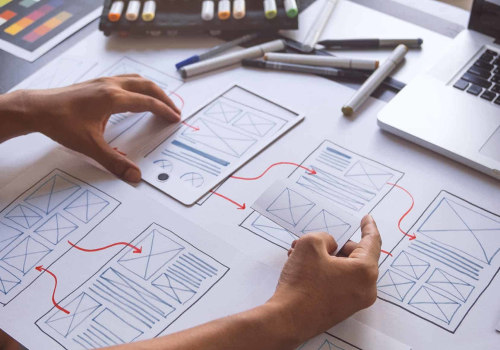
- Creating Wireframes: Web designers often start with wireframes, which are basic blueprints that outline the structure of a webpage. This helps in visualizing the layout before moving on to detailed design.
- Designing User Interfaces: They focus on crafting intuitive user interfaces (UI) that enhance user interaction and navigation.
- Ensuring Responsiveness: With the increasing use of mobile devices, web designers must ensure that websites are responsive, meaning they adapt seamlessly to different screen sizes.
- Collaborating with Developers: Web designers work closely with web developers to ensure that their designs are implemented correctly and function as intended.
Essential Skills
A successful web designer should possess a blend of technical and creative skills:- Graphic Design Skills: Proficiency in graphic design principles is essential for creating visually appealing layouts.
- Understanding of User Experience (UX): Knowledge of UX principles helps designers create websites that are not only beautiful but also easy to navigate.
- Familiarity with Design Tools: Web designers typically use tools such as Adobe Photoshop, Sketch, or Figma to create their designs.
- Basic Coding Knowledge: While not mandatory, understanding HTML and CSS can be beneficial for web designers to communicate effectively with developers.
Web Design Tools
The tools used by web designers are vital for bringing their creative visions to life. Some commonly used tools include:- Adobe Creative Suite: This suite includes Photoshop for image editing and Illustrator for vector graphics, both essential for web design.
- Figma: A collaborative interface design tool that allows multiple users to work on designs simultaneously.
- Sketch: A vector-based design tool popular among web designers for its ease of use and powerful features tailored for UI/UX design.
Their skills in graphic design, UX principles, and familiarity with various design tools enable them to create visually stunning and functional websites that meet user needs.
What is a Web Developer?
A web developer plays a crucial role in the creation and maintenance of websites, transforming design concepts into functional online experiences. Their primary responsibility is to build the underlying structure of a website, ensuring that it operates smoothly and efficiently. This involves a variety of tasks, from coding and configuring servers to integrating databases and implementing user-oriented features.One of the key aspects of a web developer's job is to work closely with web designers. While designers focus on the visual elements and user experience, developers take those designs and bring them to life through coding.This collaboration is essential for creating websites that are not only visually appealing but also functional and user-friendly.
Responsibilities of a Web Developer
- Building Websites: Developers write code to create the structure of a website, using various programming languages.
- Maintaining Websites: They ensure that websites remain functional over time, performing updates and troubleshooting issues as they arise.
- Testing and Debugging: Developers rigorously test websites to identify bugs or performance issues, ensuring a seamless user experience.
- Implementing Features: They add interactive elements and functionalities, such as forms, animations, and e-commerce capabilities.
- Optimizing Performance: Developers work on improving website speed and efficiency, which is critical for user retention and SEO.
Skills Required for Web Development
A successful web developer must possess a diverse set of skills that combine technical knowledge with problem-solving abilities. Some essential skills include:- Proficiency in Coding Languages: Familiarity with languages such as HTML, CSS, JavaScript, PHP, and Python is fundamental for web development.
- Understanding of Frameworks: Knowledge of frameworks like React, Angular, or Laravel can enhance development efficiency and streamline processes.
- Database Management: Skills in managing databases using SQL or NoSQL technologies are vital for handling data-driven applications.
- Version Control Systems: Familiarity with tools like Git allows developers to track changes in their codebase effectively.
- Responsive Design Principles: Understanding how to create websites that function well on various devices is increasingly important in today’s mobile-first world.
Key Differences Between Web Designers and Web Developers
When it comes to creating a website, understanding the distinct roles of web designers and web developers is crucial. While both professionals contribute significantly to the final product, their responsibilities, skill sets, and approaches to website creation differ markedly.Web Designers:
Web designers are primarily focused on the visual aspects of a website.
Their main goal is to create an engaging and aesthetically pleasing user experience. This involves:
- Visual Design: Crafting the layout, color schemes, typography, and overall style of the website.
- User Experience (UX): Ensuring that the site is intuitive and easy to navigate, which enhances user satisfaction.
- Branding: Aligning the website's design with the brand's identity to create a cohesive online presence.
- Prototyping: Developing wireframes and mockups to visualize how the site will look before it is built.
Web Developers:
In contrast, web developers are responsible for turning the designs created by web designers into functional websites. Their work involves a deeper understanding of coding and technical frameworks.
Key responsibilities include:
- Coding: Writing the code that makes a website function using languages such as HTML, CSS, JavaScript, PHP, or Python.
- Backend Development: Managing server-side operations, databases, and application logic that support the front-end user experience.
- Testing and Debugging: Ensuring that all features work correctly across different devices and browsers by identifying and fixing bugs.
- Maintenance: Providing ongoing support after launch to address any issues that arise and implementing updates as needed.
When to Hire a Web Designer vs. a Web Developer
Deciding whether to hire a web designer or a web developer is a crucial step in the website creation process.Understanding the specific needs of your project can help you make an informed choice. Here are some scenarios to consider:
When to Hire a Web Designer
If your project emphasizes aesthetics, user experience, and branding, hiring a web designer is essential. Here are some situations where a web designer would be the right choice:- Visual Identity Development: If you need to establish or enhance your brand's visual identity, a web designer can create a cohesive look that aligns with your brand values.
- User Experience Focus: For projects that prioritize user engagement and navigation, a designer can craft intuitive layouts and interactive elements that enhance usability.
- Responsive Design Needs: If your website must function seamlessly across various devices, a web designer can ensure that the design adapts beautifully to different screen sizes.
- Content-Centric Sites: For blogs or portfolios where visual presentation is key, a designer can create layouts that highlight content effectively.
When to Hire a Web Developer
If your project requires complex functionality, coding, or backend support, then hiring a web developer is necessary. Consider these scenarios:- Custom Functionality: If you need specific features like e-commerce capabilities, user authentication, or database integration, a developer can build these functionalities from scratch.
- Website Maintenance and Updates: For ongoing support and updates post-launch, developers are equipped to handle technical issues and implement new features as needed.
- Performance Optimization: If your site requires optimization for speed and efficiency, developers can fine-tune the code and server settings to enhance performance.
- Integration with Other Systems: When your website needs to connect with third-party applications or APIs, developers have the technical skills to ensure seamless integration.
Many successful projects benefit from the collaboration of both web designers and developers. Assessing your project needs carefully will guide you in assembling the right team for your website's success.
The Importance of Collaboration Between Designers and Developers
In the realm of web design and development, the synergy between designers and developers is crucial for creating successful websites. Each role brings unique skills and perspectives to the table, and when they collaborate effectively, the results can significantly enhance both the functionality and aesthetics of a website.Effective Communication
is the cornerstone of successful collaboration. When designers and developers engage in open dialogue, they can share their insights and concerns, leading to a more cohesive project vision.
For instance, a designer may have a specific aesthetic in mind that requires certain technical capabilities from the developer. By discussing these requirements early in the process, potential roadblocks can be identified and addressed before they become significant issues.Moreover, teamwork in web projects fosters innovation. When designers and developers work together, they can brainstorm creative solutions that neither could achieve alone. This collaborative environment encourages experimentation with new ideas, tools, and technologies, ultimately leading to more engaging user experiences.Another benefit of integrated teams is the ability to streamline workflows.
When designers and developers collaborate from the outset, they can establish clear roles and responsibilities, reducing redundancy and confusion. This clarity not only enhances productivity but also ensures that everyone is aligned with the project goals.Additionally, collaboration leads to improved user experience. A website that is visually appealing yet functionally robust is more likely to engage users effectively. Designers focus on creating intuitive interfaces while developers ensure that these designs are implemented seamlessly.
This partnership results in a site that not only looks good but also performs well across various devices and platforms.In conclusion, fostering a collaborative environment between web designers and developers is essential for achieving optimal project outcomes. By prioritizing communication, teamwork, and shared goals, teams can create websites that are not only visually stunning but also highly functional, ultimately enhancing user satisfaction.