In today’s digital landscape, web designweb design plays a crucial role in shaping how users interact with online content. It encompasses a variety of disciplines, including graphic design, user experience (UX), and interface design, all aimed at creating visually appealing and functional websites. As more businesses and individuals establish their online presence, understanding the fundamentals of web design becomes increasingly important. A well-designed website not only attracts visitors but also enhances user engagement, builds credibility, and ultimately drives conversions.The significance of web design extends beyond aesthetics; it is about creating a seamless experience for users.
A website that is easy to navigate, responsive across devices, and accessible to all users can significantly impact how information is consumed. With the rise of mobile browsing and the need for accessibility compliance, web designers must be equipped with the skills to create inclusive designs that cater to diverse audiences. This makes learning web design not just a valuable skill but a necessary one in the modern job market.For those interested in diving into this dynamic field, there are numerous resources available to help you get started. From online courses to tutorials and mentorship programs, aspiring web designers can find a wealth of information tailored to their skill level and learning style.
Whether you are a complete beginner or looking to enhance your existing skills, understanding where to learn web design is essential for building a successful career in this ever-evolving industry.
Understanding the Basics of Web Design
To embark on your journey into web design, it is essential to grasp the fundamental technologies that form the backbone of any website. The three primary languages you will encounter are HTML , CSS , and JavaScript. Each plays a unique role in creating functional and visually appealing web pages.HTML (HyperText Markup Language) is the foundation of web content. It provides the structure of a webpage by using various elements, such as headings, paragraphs, links, and images.
Understanding how to use HTML tags effectively is crucial for organizing content in a way that is both user-friendly and search engine optimized. For instance, using header tags (H1, H2, H3) not only helps in structuring your content but also plays a significant role in SEO by indicating the hierarchy of information.
CSS (Cascading Style Sheets) complements HTML by controlling the presentation and layout of web pages. With CSS, you can manipulate colors, fonts, spacing, and overall design aesthetics. This separation of content (HTML) from presentation (CSS) allows for greater flexibility and maintainability.
For example, you can change the entire look of a website simply by modifying the CSS file without altering the HTML structure.
JavaScript
adds interactivity to your web pages. It enables dynamic content updates, form validations, animations, and much more. By learning JavaScript, you can enhance user experience significantly; for instance, creating responsive menus or interactive forms that provide immediate feedback to users.In today’s digital landscape, understanding responsive design is also vital. Responsive design ensures that your website looks great on all devices—desktops, tablets, and smartphones.
This approach involves using flexible grids and layouts that adapt to different screen sizes. By mastering responsive design techniques alongside HTML, CSS, and JavaScript, you will be well-equipped to create websites that are not only functional but also accessible to a wider audience.In summary, mastering the basics of web design through HTML, CSS, JavaScript, and responsive design principles will provide you with a solid foundation to build upon as you advance in your web design career.
Top Online Platforms for Learning Web Design
In the digital age, learning web design has never been more accessible, thanks to a plethora of online platforms. Each platform offers unique features, courses, and learning experiences tailored to different skill levels. Below, we explore some of the top online platforms for learning web design.Codecademy
Codecademy is renowned for its interactive learning approach, making it an excellent choice for beginners.The platform offers a dedicated Web Design course that covers essential topics such as HTML, CSS, and responsive design. One of the standout features of Codecademy is its hands-on coding environment, allowing learners to practice in real-time.
- Pros: Interactive learning, beginner-friendly, real-time coding practice.
- Cons: Most advanced content requires a Pro subscription.
Udemy
Udemy is a vast marketplace with over 155,000 courses available, including numerous options for web design. The platform allows users to purchase individual courses rather than subscribing to a monthly plan. This flexibility means you can choose specific courses that align with your interests and skill level.- Pros: Wide variety of courses, flexible pricing, user reviews for informed choices.
- Cons: Quality can vary significantly between courses.
Coursera
Coursera partners with top universities and organizations to offer high-quality courses in web design.With over 800 options available, learners can find everything from introductory classes to specialized certifications. Coursera's unique selling point is the opportunity to earn accredited certificates from prestigious institutions.
- Pros: University-backed courses, accredited certifications, diverse learning paths.
- Cons: Some courses can be expensive compared to other platforms.
Free Resources for Learning Web Design
For those eager to dive into the world of web design without the burden of financial investment, there are numerous free resources available that cater to various learning styles. Whether you prefer structured courses, hands-on tutorials, or comprehensive guides, you can find valuable materials to kickstart your journey.1.Free Online Courses
- Codecademy: While Codecademy offers a Pro subscription, many of its introductory courses on HTML and CSS are available for free.
These courses provide a solid foundation in web design principles.
- Coursera: Some universities offer free access to their web design courses on Coursera. You can audit these courses at no cost, gaining insights from industry experts and academic professionals.
- edX: Similar to Coursera, edX provides a range of free web design courses from reputable institutions. You can learn at your own pace and even earn a certificate for a fee if desired.
- FreeCodeCamp: This platform offers a comprehensive curriculum that covers web design and development. It includes interactive coding challenges and projects that help reinforce your learning. FreeCodeCamp: This platform offers a comprehensive curriculum that covers web design and development. It includes interactive coding challenges and projects that help reinforce your learning.
2.Online Tutorials and Guides
- W3Schools: A well-known resource for web developers, W3Schools provides extensive tutorials on HTML, CSS, JavaScript, and more.
The site is user-friendly and allows you to practice coding directly in your browser.
- MDN Web Docs: Mozilla's Developer Network offers in-depth documentation and tutorials on web technologies. Their Learning Area is particularly useful for beginners looking to understand the fundamentals of web design.
- CSS-Tricks: This website features articles, tutorials, and tips focused on CSS and front-end development. It's an excellent resource for learning about modern design techniques and best practices.
- Smashing Magazine: Known for its high-quality articles on web design and development, Smashing Magazine also offers free resources such as eBooks and guides that cover various aspects of web design.
In-Person Learning Opportunities
For those who thrive in a traditional classroom setting, in-person learning opportunities can be an excellent way to dive into the world of web design.Local community colleges and workshops offer structured environments where students can engage directly with instructors and peers, fostering a collaborative learning atmosphere.
Community Colleges
Many community colleges provide comprehensive web design classesweb design classes that cater to various skill levels, from beginners to more advanced students. These courses often cover essential topics such as:
- HTML and CSS fundamentals
- Responsive design techniques
- User experience (UX) principles
- Graphic design basics
- Web development tools and software
Local Workshops
In addition to formal education, local workshops can provide targeted training in specific areas of web design. These workshops are often shorter in duration and focus on practical skills, such as:
- Using design software like Adobe XD or Sketch
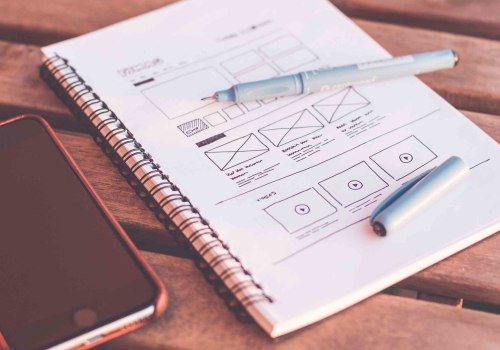
- Creating wireframes and prototypes
- Implementing SEO best practices in web design
- Understanding accessibility standards
They also present excellent networking opportunities, allowing you to connect with fellow aspiring designers and potential mentors.
The Benefits of Face-to-Face Instruction
The primary advantage of in-person learning is the immediate feedback you receive from instructors. This direct interaction can clarify complex concepts and help you grasp challenging topics more effectively than online learning alone. Furthermore, being part of a classroom environment encourages collaboration and discussion, which can lead to deeper understanding and inspiration.If you're searching for web design classes near me, consider checking local community colleges or adult education centers. Many institutions also offer online resources to help you find upcoming workshops or courses tailored to your interests.
Embrace the opportunity to learn in person; it could be the key to unlocking your potential as a web designer.
Choosing the Right Course for Your Skill Level
When embarking on your journey to learn web design, it’s crucial to choose a course that aligns with your current skill level. This ensures that you are neither overwhelmed by advanced concepts nor bored by content that is too basic. Here’s how to assess your skills and select the right course for you.Assessing Your Current Skill Level
- Beginner: If you are new to web design, start with foundational courses that cover the basics of HTML, CSS, and design principles. Look for courses labeled as "beginner" or "introductory" that provide a comprehensive overview of web design.
- Intermediate: For those who have some experience, consider courses that delve into more complex topics such as responsive design, user experience (UX), and advanced CSS techniques.
These courses often require a basic understanding of web design concepts.
- Advanced: If you are already proficient in web design and looking to enhance your skills further, seek out advanced training that covers specialized areas like JavaScript frameworks, web accessibility, or UI/UX design strategies. These courses typically assume a solid foundation in web design.
Choosing the Right Course
Once you have assessed your skill level, it’s time to explore available courses. Here are some tips for selecting the right one:
- Read Reviews: Look for feedback from previous students to gauge the effectiveness of the course. Reviews can provide insights into the course structure, instructor quality, and overall learning experience.
- Check Course Content: Review the syllabus or course outline to ensure it covers topics relevant to your learning goals.
A well-structured course should progressively build on concepts.
- Consider Learning Style: Different courses cater to various learning styles. Some may offer video lectures, while others provide hands-on projects or interactive quizzes. Choose a format that resonates with you.
- Look for Certification: If you aim to enhance your resume, consider courses that offer a certificate upon completion. This can add value to your professional profile.
Remember, the right course will not only teach you essential skills but also inspire confidence as you develop your craft.
Conclusion: Your Path to Becoming a Web Designer
As we conclude our exploration of where to learn web design, it’s essential to reflect on the various avenues available to aspiring designers. The journey to becoming a proficient web designer is not just about acquiring technical skills; it’s also about cultivating a creative mindset and understanding the principles of design.Throughout this article, we have highlighted several reputable platforms that offer comprehensive courses in web design. From Codecademy and Udemy to Coursera and Flux Academy , each platform provides unique resources tailored to different learning styles and levels. Whether you prefer structured courses or self-paced learning, there is an option that suits your needs.Moreover, we discussed the importance of foundational knowledge in HTML, CSS, and JavaScript.These languages are the building blocks of web design, and mastering them will empower you to create visually appealing and functional websites. Additionally, understanding user experience (UX) and user interface (UI) design principles is crucial for creating designs that resonate with users.To further enhance your learning experience, consider the following actionable steps:
- Set Clear Goals: Define what you want to achieve in your web design journey. Are you looking to build personal projects, freelance, or work for a company?
- Create a Learning Schedule: Dedicate specific times each week to focus on your studies. Consistency is key in mastering new skills.
- Engage with the Community: Join online forums, social media groups, or local meetups related to web design.
Networking with other designers can provide valuable insights and support.
- Build a Portfolio: Start creating your own projects as you learn. A strong portfolio showcasing your work is essential for landing jobs or freelance opportunities.
- Seek Feedback: Don’t hesitate to share your designs with peers or mentors for constructive criticism. This feedback can help you grow and improve your skills.
Embrace the journey ahead, stay curious, and let your passion for design guide you toward success.