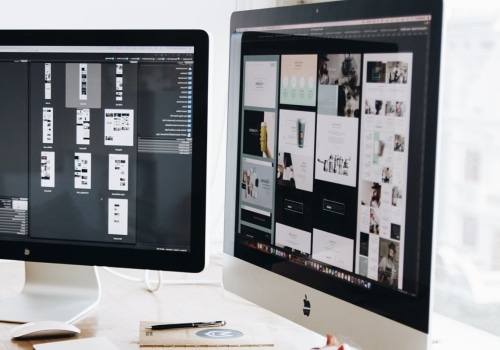
In today's digital age, web designweb design plays a pivotal role in shaping how businesses and individuals present themselves online. It encompasses a variety of disciplines and skills that are essential for creating visually appealing and functional websites. At its core, web design is not just about aesthetics; it is about crafting an engaging user experience that resonates with visitors. A well-designed website serves as a digital storefront, where first impressions can significantly influence user behavior and decision-making.The importance of web design cannot be overstated.
A website that is visually attractive yet difficult to navigate can frustrate users, leading to high bounce rates and lost opportunities. Conversely, a site that combines stunning visuals with intuitive functionality can enhance user satisfaction, encourage longer visits, and ultimately drive conversions. This interplay between form and function is what makes web design a critical component of any successful online strategy.Moreover, effective web design goes beyond mere appearance; it involves understanding the target audience and their needs. By employing principles of usability and accessibility, designers can create experiences that cater to diverse user groups.
This understanding is crucial in today’s competitive landscape, where businesses must differentiate themselves not only through their products or services but also through the quality of their online presence.As we delve deeper into the qualities that define a good web designer, it becomes clear that mastering the art of web design requires a blend of creativity, technical skills, and an unwavering focus on user experience. The journey to becoming an exceptional web designer is one that involves continuous learning and adaptation to ever-evolving trends and technologies.
Key Responsibilities of a Web Designer
A web designer plays a crucial role in the creation and maintenance of websites, ensuring that they are not only visually appealing but also functional and user-friendly. The responsibilities of a web designer can be diverse, encompassing various tasks that contribute to the overall success of a website. Here are some of the key responsibilities:- Creating Layouts: One of the primary tasks of a web designer is to develop the layout of a website.
This involves organizing content in a way that is both aesthetically pleasing and easy to navigate. Designers must consider how different elements interact on the page, ensuring that users can find information quickly and intuitively.
- Selecting Color Schemes: Color plays a significant role in web design, influencing user emotions and behaviors. A web designer must choose color schemes that align with the brand's identity while also enhancing readability and accessibility. Understanding color theory is essential for creating harmonious designs that resonate with users.
- Typography Choices: The selection of fonts is another critical aspect of web design.
Designers need to choose typefaces that are not only visually appealing but also legible across various devices. This includes considering font size, line spacing, and contrast to ensure optimal readability.
- Ensuring Usability: A good web designer prioritizes usability by creating intuitive navigation systems and interactive elements. This involves conducting user testing to gather feedback on how real users interact with the site, allowing designers to make necessary adjustments for improved functionality.
- Responsive Design: With the increasing use of mobile devices, web designers must ensure that websites are responsive. This means designing layouts that adapt seamlessly to different screen sizes, providing an optimal viewing experience regardless of the device being used.
- Collaboration with Developers: Web designers often work closely with developers to bring their designs to life.
Effective communication between designers and developers is essential for ensuring that the final product aligns with the original vision while functioning correctly.
- Staying Updated on Trends: The field of web design is constantly evolving, with new trends and technologies emerging regularly. A successful web designer stays informed about industry trends, tools, and best practices to ensure their designs remain relevant and effective.
Essential Skills for Web Designers
In the ever-evolving field of web design, possessing a diverse set of skills is essential for success. A proficient web designer must blend both technical and soft skills to create visually appealing and functional websites.Below, we explore the critical skills that every web designer should cultivate.
Technical Skills
Technical skills form the backbone of effective web design. Here are some key areas of expertise:- Proficiency in Design Software: Familiarity with industry-standard design tools such as Adobe Photoshop, Illustrator, and Sketch is crucial. These programs allow designers to create stunning visuals and layouts that capture user attention.
- Understanding of HTML and CSS: A solid grasp of HTML (HyperText Markup Language) and CSS (Cascading Style Sheets) is fundamental. These coding languages enable designers to structure content and style it effectively, ensuring that designs translate well into functional websites.
- Responsive Design Techniques: With the increasing use of mobile devices, understanding how to create responsive designs that adapt to various screen sizes is vital.
This skill ensures that users have a seamless experience regardless of the device they use.
- Basic JavaScript Knowledge: While not always mandatory, having a basic understanding of JavaScript can enhance a designer's ability to implement interactive elements on a website, improving user engagement.
Soft Skills
In addition to technical prowess, soft skills play a significant role in a web designer's effectiveness:- Communication Skills: A web designer must communicate ideas clearly and effectively, whether collaborating with clients or working within a team. Good communication fosters understanding and ensures that the final product aligns with client expectations.
- Problem-Solving Abilities: Web design often involves overcoming challenges, from technical issues to user experience hurdles. Strong problem-solving skills enable designers to find creative solutions that enhance functionality and aesthetics.
- Attention to Detail: A keen eye for detail is essential in web design. Small inconsistencies can detract from the overall user experience, so designers must ensure that every element is polished and purposeful.
- Time Management: Web designers frequently juggle multiple projects with tight deadlines.
Effective time management skills help them prioritize tasks and deliver high-quality work on schedule.
The Importance of User Experience (UX) in Web Design
User experience (UX) is a critical component of web design that directly influences how users interact with a website. A well-designed user experience not only enhances user satisfaction but also drives engagement and conversion rates. Understanding the importance of UX in web design is essential for any designer aiming to create effective digital spaces.At its core, UX encompasses all aspects of the end-user's interaction with a company, its services, and its products.This means that every element of a website—from layout and navigation to content and visuals—must be carefully considered to ensure a seamless experience. Here are some key principles of UX that designers should prioritize:
- Usability: A website must be easy to navigate. Users should be able to find what they are looking for without confusion. This can be achieved through intuitive menus, clear calls to action, and logical content organization.
- Accessibility: Good web design should cater to all users, including those with disabilities.
Implementing accessibility standards ensures that everyone can interact with the site effectively.
- Consistency: Maintaining a consistent design across all pages helps users feel more comfortable and familiar with the site. This includes using the same color schemes, fonts, and button styles throughout.
- Feedback: Providing users with feedback during their interactions—such as confirmation messages after form submissions—helps them understand that their actions have been recognized and processed.
- Visual Hierarchy: Effective use of visual hierarchy guides users' attention to the most important elements on a page. This can be achieved through size, color contrast, and placement of elements.
Conversely, poor UX can lead to frustration, high bounce rates, and lost opportunities for conversion.In conclusion, prioritizing user experience in web design is not just about aesthetics; it’s about creating functional, engaging environments that meet user needs. By adhering to established UX principles, designers can craft websites that not only look appealing but also provide meaningful interactions that keep users coming back.
Visual Design Principles Every Web Designer Should Know
When it comes to web design, understanding visual design principles is crucial for creating websites that are not only visually appealing but also functional and user-friendly. Here are some fundamental principles that every web designer should master:- Balance: This principle refers to the distribution of visual weight within a design. A well-balanced layout can be symmetrical or asymmetrical.
Symmetrical balance involves mirroring elements on either side of a central axis, while asymmetrical balance uses different elements that still achieve a sense of equilibrium. Striking the right balance helps create a harmonious and stable design.
- Contrast: Contrast is essential for drawing attention to key elements on a webpage. It can be achieved through differences in color, size, shape, or texture. For instance, using a bold color for call-to-action buttons against a neutral background can make them stand out, guiding users toward important actions.
- Alignment: Proper alignment ensures that every element on the page has a visual connection with others, creating a cohesive look.
Whether using left, right, or center alignment, maintaining consistency throughout the design helps improve readability and user experience.
- Hierarchy: Visual hierarchy is about organizing content in a way that clearly indicates its importance. This can be achieved through size, color, and placement. For example, larger headings draw attention first, followed by subheadings and body text. Establishing a clear hierarchy helps users navigate the content more intuitively.
- Repetition: Repeating certain elements throughout the design can create unity and consistency.
This could include using the same color palette, typography, or button styles across different pages. Repetition reinforces brand identity and makes the website feel more cohesive.
- White Space: Also known as negative space, white space is the area around elements in a design. It is crucial for improving readability and allowing users to focus on important content without feeling overwhelmed. Effective use of white space can enhance the overall aesthetic of a website.
Understanding how to apply these principles in graphic design for web projects will set you apart as a skilled web designer.
Staying Updated with Design Trends and Technologies
In the fast-paced world of web design, staying updated with the latest trends and technologies is crucial for any designer aiming to remain competitive. As user preferences evolve and new tools emerge, a web designer must adapt to these changes to create engaging and effective digital experiences.One of the most effective ways to keep up with web design trends in 2023web design trends in 2023 is by following industry leaders and influencers on social media platforms. Websites like Behance and Dribbble showcase innovative designs and provide inspiration from a global community of designers. Engaging with these platforms not only exposes you to fresh ideas but also allows you to see how others are implementing new technologies.Additionally, subscribing to design blogs and newsletters can be an excellent way to receive curated content directly in your inbox.Resources such as Smashing Magazine, Web Designer News, and Creative Bloq regularly publish articles on emerging trends, tools, and best practices in web design.Participating in online courses or webinars is another effective strategy for continuous learning. Platforms like Udemy, Coursera, and LinkedIn Learning offer a variety of courses that cover the latest technologies in web design, from responsive design techniques to advanced CSS animations.Moreover, attending industry conferences and workshops can provide invaluable networking opportunities while exposing you to cutting-edge practices. Events such as Resources such as Smashing Magazine, Web Designer News, and Creative Bloq regularly publish articles on emerging trends, tools, and best practices in web design.Participating in online courses or webinars is another effective strategy for continuous learning. Platforms like Udemy, Coursera, and LinkedIn Learning offer a variety of courses that cover the latest technologies in web design, from responsive design techniques to advanced CSS animations.Moreover, attending industry conferences and workshops can provide invaluable networking opportunities while exposing you to cutting-edge practices. Events such as Adobe MAX, UX Design Conference, and local meetups can help you connect with other professionals who share your passion for design.Finally, don’t underestimate the power of experimentation. Setting aside time to explore new tools or techniques on personal projects can lead to significant growth.
Whether it’s trying out a new framework like React or experimenting with a fresh design style, hands-on experience is one of the best ways to learn.In conclusion, staying updated with the latest trends and technologies in web design requires a proactive approach. By leveraging social media, engaging with educational resources, attending events, and experimenting with new tools, designers can ensure they remain at the forefront of this ever-evolving field.
Building a Strong Portfolio as a Web Designer
Creating a compelling web design portfolio is essential for any designer looking to make a mark in the industry. A well-crafted portfolio not only showcases your skills but also tells a story about your design journey and your unique approach to solving problems. Here are some key strategies to help you build an impressive portfolio that stands out.1.Curate Your Best Work
Quality over quantity is the mantra for a successful portfolio.Select projects that highlight your strengths and versatility as a designer. Aim for a mix of personal projects, freelance work, and any collaborations that demonstrate your ability to adapt to different styles and requirements. Each piece should reflect your best work and the skills you want to be known for.
2.Tell the Story Behind Each Project
Don't just display your designs; provide context. For each project, include a brief description that outlines the problem you were solving, your design process, and the results achieved.This narrative helps potential clients or employers understand your thought process and the value you bring to the table.
3.Showcase Your Design Process
Many clients are interested in how you arrive at your final designs. Include sketches, wireframes, or prototypes to illustrate your design process. This transparency not only showcases your technical skills but also demonstrates your ability to think critically and iteratively.4.Keep It User-Friendly
Your portfolio should be as well-designed as the projects it showcases. Ensure that it is easy to navigate, visually appealing, and responsive across devices.A cluttered or confusing layout can detract from your work, so prioritize simplicity and clarity.
5.Update Regularly
The web design field is constantly evolving, and so should your portfolio. Regularly update it with new projects, skills, and experiences. This not only keeps your portfolio fresh but also reflects your growth as a designer.6.Seek Feedback
Before finalizing your portfolio, seek feedback from peers or mentors in the industry. Constructive criticism can provide valuable insights into how others perceive your work and help you identify areas for improvement.In conclusion, a strong web design portfolio is crucial for attracting clients and job opportunities in this competitive field.By curating quality work, telling compelling stories, showcasing your process, ensuring user-friendliness, updating regularly, and seeking feedback, you can create a portfolio that not only highlights your skills but also sets you apart from the competition.
Common Mistakes to Avoid in Web Design
In the realm of web design, avoiding common pitfalls is crucial for creating effective and engaging websites. Many novice designers fall into traps that can hinder their projects and lead to unsatisfactory user experiences. Here are some prevalent mistakes to steer clear of:- Neglecting User Experience (UX): One of the most significant errors is focusing solely on aesthetics while ignoring how users interact with the site. A beautiful website that is difficult to navigate will frustrate visitors and drive them away.
- Overcomplicating Design: Simplicity is key in web design.
Overly complex layouts, excessive animations, or too many colors can overwhelm users. Aim for a clean, straightforward design that guides users naturally through the content.
- Ignoring Mobile Responsiveness: With a growing number of users accessing websites via mobile devices, failing to optimize for mobile can result in a poor experience. Ensure your designs are responsive and look great on all screen sizes.
- Poor Typography Choices: Typography plays a vital role in readability and overall design. Using too many fonts or styles can create visual chaos.
Stick to a limited selection of fonts that complement each other and enhance readability.
- Inconsistent Branding: A website should reflect a cohesive brand identity. Inconsistencies in colors, logos, or messaging can confuse users and dilute brand recognition. Maintain uniformity across all elements of your design.
- Neglecting Loading Speed: Users expect fast-loading websites. Large images, excessive scripts, or unoptimized code can slow down your site significantly.
Optimize images and streamline code to enhance performance.
- Ignoring Accessibility: Designing without considering accessibility can alienate users with disabilities. Implement features like alt text for images, proper contrast ratios, and keyboard navigation to ensure inclusivity.
Conclusion: The Path to Becoming an Exceptional Web Designer
In conclusion, the journey to becoming an exceptional web designer is multifaceted and requires a blend of technical skills, creativity, and a deep understanding of user experience. Throughout this article, we have explored the essential qualities and skills that contribute to effective web design, emphasizing that it is not merely about aesthetics but also about functionality and user engagement.To summarize, here are the key attributes that define a successful web designer:- Technical Proficiency: Mastery of coding languages such as HTML, CSS, and JavaScript is fundamental.
A good web designer should also be familiar with design software like Adobe XD or Sketch.
- Creativity: The ability to think outside the box and develop unique design solutions is crucial. Creativity fuels innovation in web design, allowing designers to create visually appealing and engaging websites.
- User-Centric Approach: Understanding the target audience is vital. A successful web designer prioritizes user experience (UX) by creating intuitive navigation and ensuring that the website meets users' needs.
- Attention to Detail: Small details can make a significant impact on the overall user experience. A meticulous approach to design elements such as typography, color schemes, and layout can enhance usability.
- Adaptability: The digital landscape is constantly evolving.
An exceptional web designer stays updated with the latest trends, tools, and technologies to remain competitive in the field.
- Collaboration Skills: Web design often involves working with developers, marketers, and clients. Strong communication and teamwork skills are essential for translating ideas into effective designs.
Embrace challenges as they come, seek feedback from peers, and never stop exploring new design possibilities.As you embark on your journey in web design, keep in mind that the best designs are those that not only look good but also serve their purpose effectively. Strive for balance between aesthetics and functionality to create websites that resonate with users and achieve business goals.